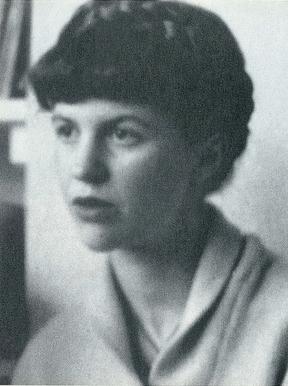
Sylvia Plath's confessional poetry turned personal suffering into art
Sylvia Plath
Sylvia Plath's confessional poetry turned personal suffering into art
Sylvia Plath's work is characterized by its confessional nature, using personal experiences as the foundation for her poetry. Her writing style is direct and addresses the reader in a personal manner, which was a departure from traditional poetry at the time.
Example
In "The Colossus and Other Poems," Plath explores themes of depression, identity, and self-destruction, drawing from her own life experiences and struggles.
Remember this
Plath's confessional poetry is significant because it broke new ground in the genre, allowing for a raw and honest exploration of personal suffering, which resonated deeply with readers and influenced future generations of poets.
Text adapted from Wikipedia, licensed under CC BY-SA 4.0.
Related concepts
New Criticism
New Criticism focused on the poem as an autonomous object
Frida (2002 film)
Frida Kahlo's self-portraits express pain, identity, and the female body without flinching
The Tell-Tale Heart
Can guilt make itself heard?
Dickinson's dashes do
Dickinson's dashes fracture syntax to mirror the fluidity of thought
Rimbaud's 'systematic derangement of all the senses' sought
Rimbaud's 'systematic derangement of all the senses' sought a new poetic language through extremity
Neruda's poetry does with everyday objects
Neruda's poetry elevates everyday objects like onions and socks into profound symbols of love and wonder
Swipe through 100 ML concepts daily
Open Pocket Polymath