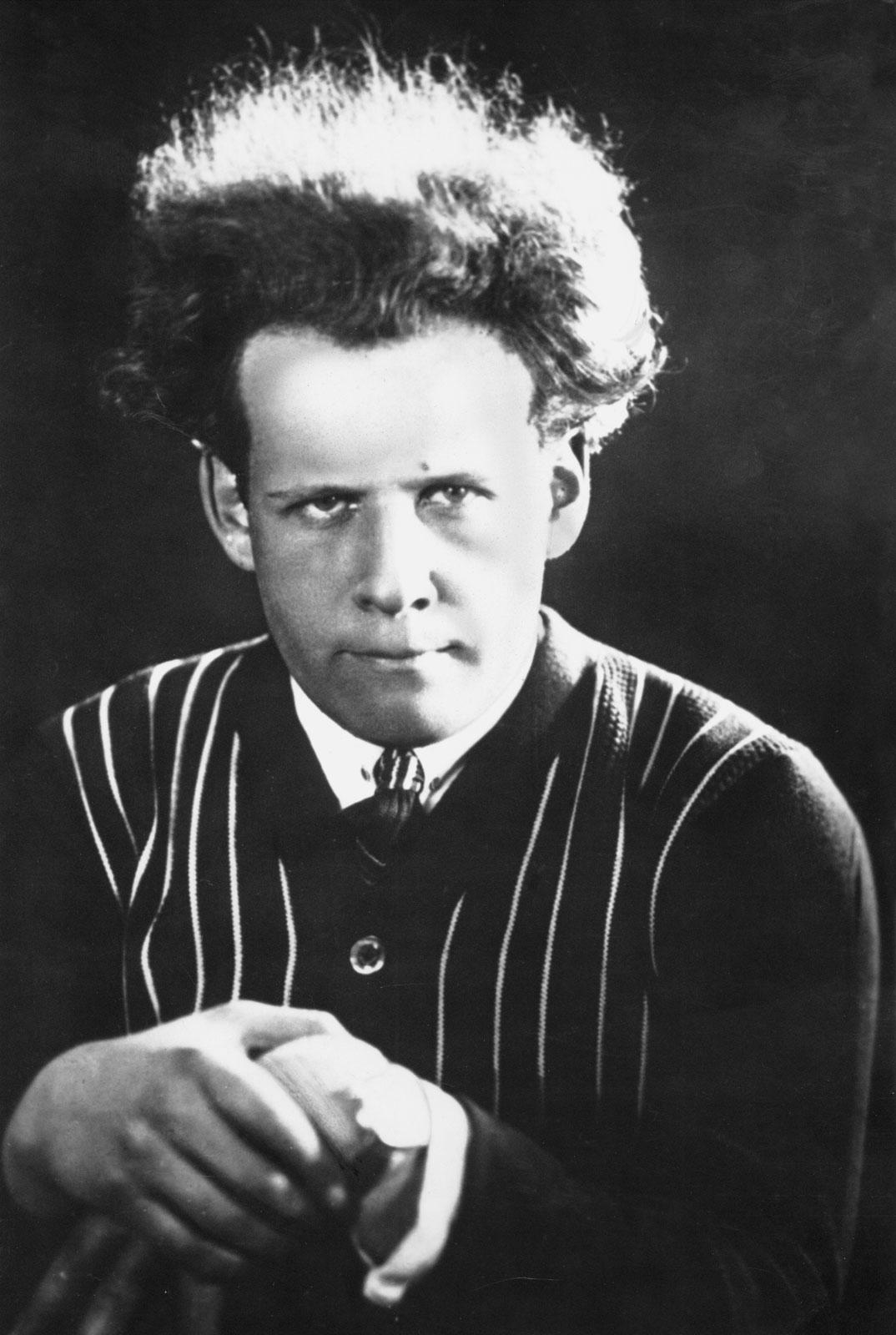
Eisenstein's montage theory posits that meaning is created by the collision between two shots, not within a single shot
Soviet montage theory
Eisenstein's montage theory posits that meaning is created by the collision between two shots, not within a single shot
Sergei Eisenstein's montage theory revolutionized cinema by emphasizing the importance of editing in creating meaning. He argued that the collision of two shots generates new meanings that are not present in the individual shots themselves. This approach shifted the focus from the content of a single shot to the interaction between multiple shots.
Example
In Eisenstein's film "Battleship Potemkin," the famous "Odessa Steps" sequence uses rapid montage editing to heighten the emotional impact and convey the chaos and violence of the massacre.
Remember this
Understanding Eisenstein's montage theory is crucial for filmmakers and scholars as it provides a foundational framework for analyzing and creating cinema that relies on the dynamic interaction of multiple shots.
Text adapted from Wikipedia, licensed under CC BY-SA 4.0.
Related concepts
André Bazin
Can a movie's true meaning come from the whole picture rather than editing tricks?
Cubism
Cubism shatters Renaissance single-point perspective by depicting subjects from multiple viewpoints
History of anthropology
How can we understand the hidden patterns in language and culture?
History of science
How can a particle be in two places at once?
Dickinson's dashes do
Dickinson's dashes fracture syntax to mirror the fluidity of thought
Chekhov's gun
Chekhov's gun principle states that every element in a story should be necessary
Swipe through more Literature concepts
Open Pocket Polymath