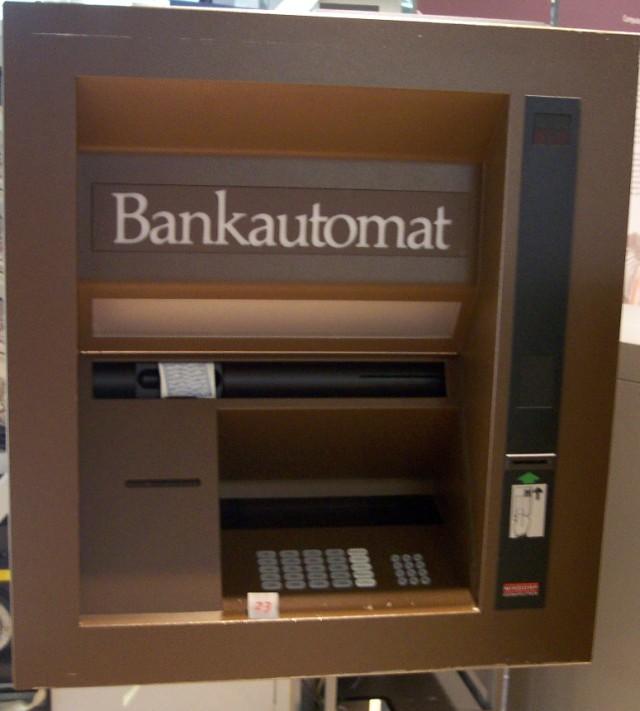
Smart contracts execute automatically on the blockchain
Image: photo taken by: de:User:Stahlkocher, CC BY-SA 3.0, via Wikimedia Commons
Smart contract
Smart contracts execute automatically on the blockchain
Smart contracts are computer programs or transaction protocols that automatically execute events and actions according to the terms of a contract. They are designed to reduce the need for trusted intermediaries, arbitration costs, and fraud losses. Smart contracts are commonly associated with cryptocurrencies and are a fundamental building block for decentralized finance (DeFi) and non-fungible token (NFT) applications.
Example
A smart contract on Ethereum can automatically transfer cryptocurrency from one party to another when certain conditions are met, without the need for a third-party intermediary.
Remember this
Understanding smart contracts is crucial for grasping the potential of decentralized finance and the broader implications for traditional financial systems.
Text adapted from Wikipedia, licensed under CC BY-SA 4.0.
Related concepts
Contract
Ever wondered how contracts can be executed without human intervention?
Blockchain
Ever wondered how bank transactions are kept safe?
Proof of work
Miners solve puzzles to validate Bitcoin transactions
Byzantine fault
Can a group make a unanimous decision when not everyone agrees?
Proof of stake
Validators lock ETH as collateral to verify blocks
Coase theorem
Can strangers fix a broken window without calling the cops?
Educational content, not financial advice.
Swipe through more Finance concepts
Open Pocket Polymath