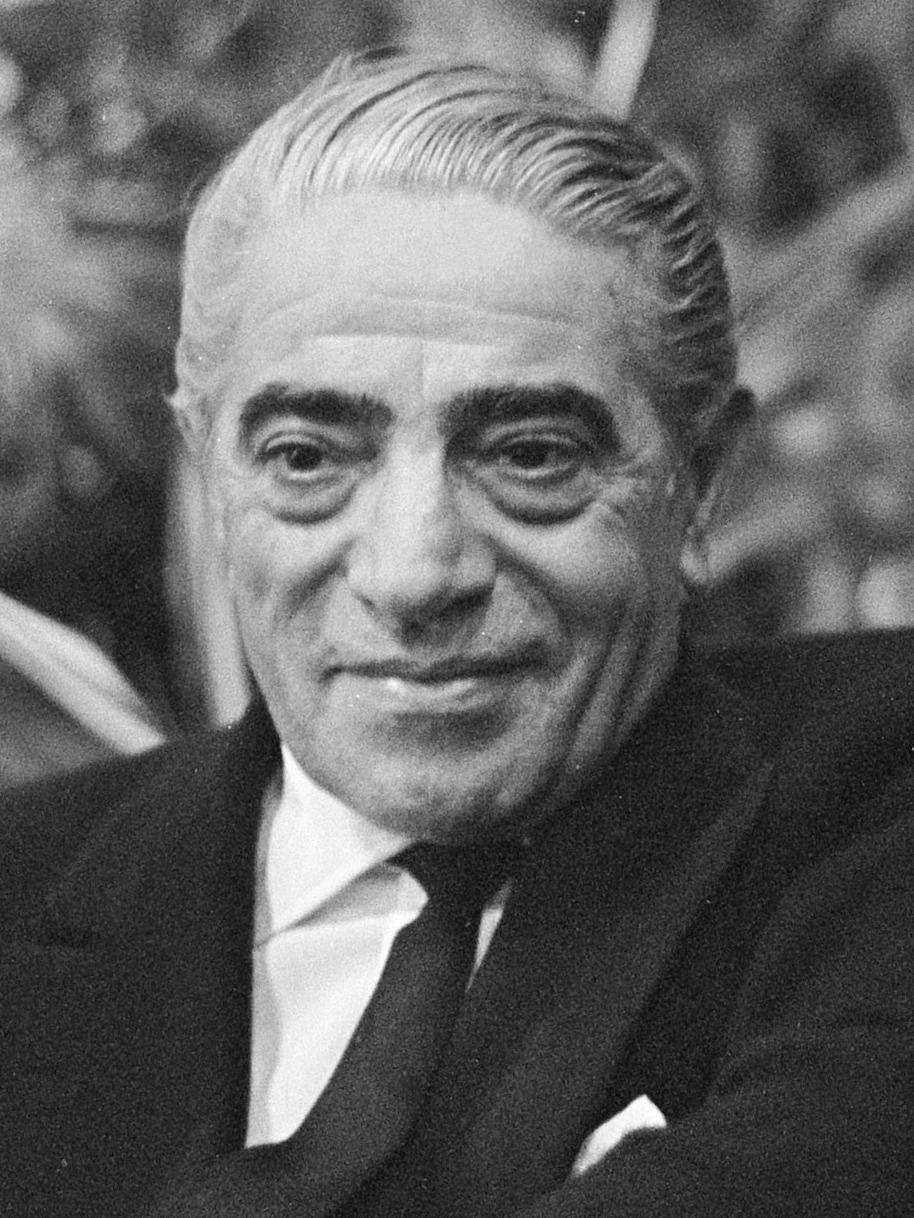
Kripke's rigid designators refer to the same thing in all possible worlds
Image: Pieter Jongerhuis, CC BY-SA 3.0 nl, via Wikimedia Commons
Rigid designator
Kripke's rigid designators refer to the same thing in all possible worlds
Rigid designators are terms that consistently refer to the same entity across all possible worlds. This concept is fundamental in understanding how language and identity persist through different scenarios.
Example
The name "Aristotle" is a rigid designator because it refers to the same historical philosopher in every possible world where he exists.
Remember this
Understanding rigid designators helps clarify how names and terms maintain consistent reference, which is crucial for philosophical discussions about identity and language.
Text adapted from Wikipedia, licensed under CC BY-SA 4.0.
Related concepts
Problem of universals
Universals question independent existence
Nominalism
Nominalism claims only particular things exist, universals are just names
A priori and a posteriori
Can you know something is true without ever seeing it?
Kripke's Naming and Necessity showed
Can you name water without knowing its chemical formula?
Four-dimensionalism
Objects persist by having temporal parts
Ship of Theseus
Ship of Theseus paradox questions identity over time
Swipe through 100 ML concepts daily
Open Pocket Polymath