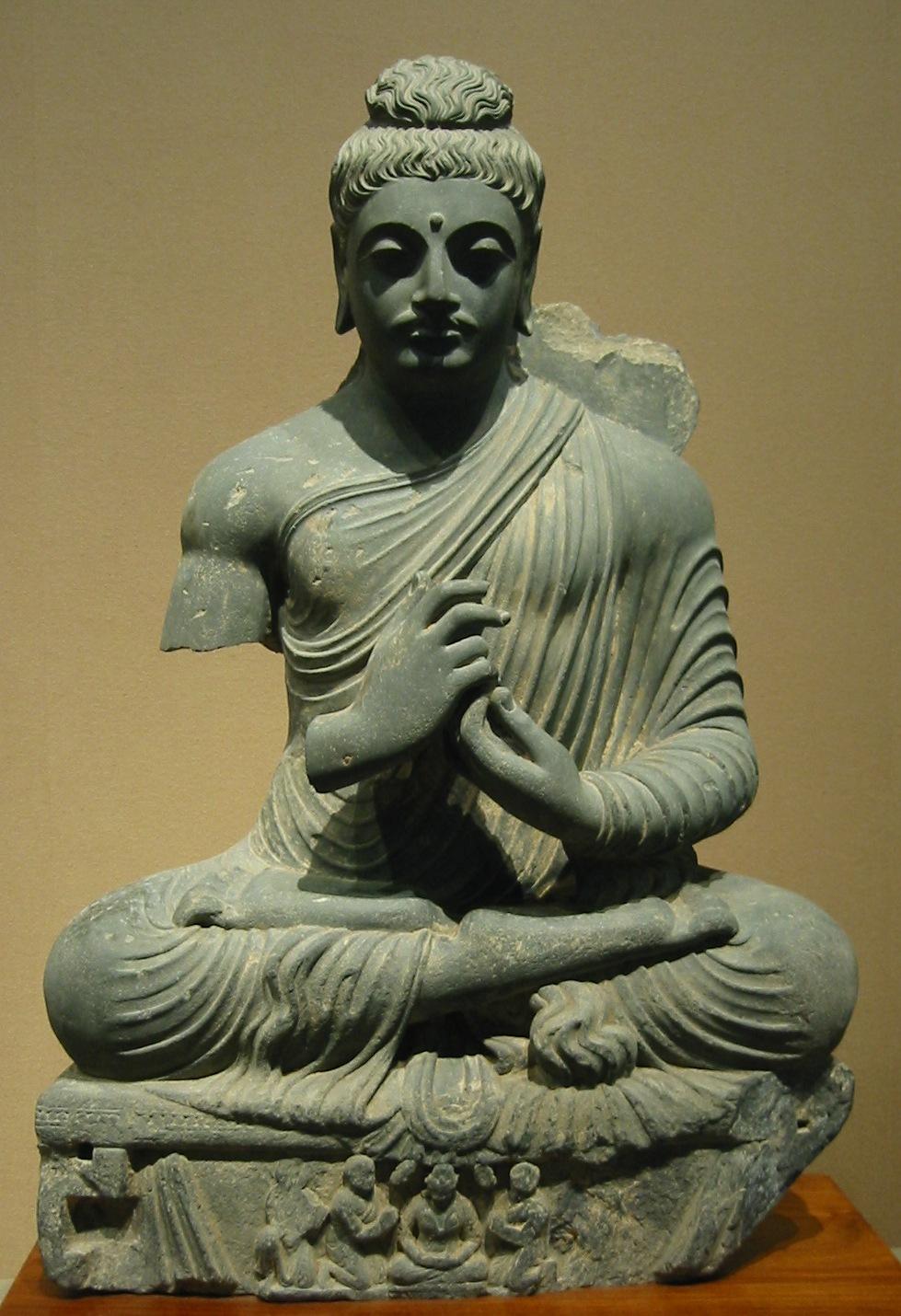
Śūnyatā means "emptiness" in Sanskrit
Śūnyatā
Śūnyatā means "emptiness" in Sanskrit
In Mahāyāna Buddhism, śūnyatā refers to the belief that "all things are empty of intrinsic existence and nature (svabhava)." It can also relate to Buddha-nature teachings and primordial or empty awareness, as seen in Dzogchen, Shentong, or Chan.
Example
A practitioner of Mahāyāna Buddhism might meditate on the concept of śūnyatā to realize the emptiness of intrinsic existence in all phenomena.
Remember this
Understanding śūnyatā is crucial for grasping the core philosophical teachings of Mahāyāna Buddhism and its emphasis on the emptiness of inherent existence.
Text adapted from Wikipedia, licensed under CC BY-SA 4.0.
Related concepts
Buddhist philosophy
Can you imagine everything around you is just a shadow of something else?
the Upanishadic concept of Brahman-Atman identity claims
Is there more to you than meets the eye?
Eliminative materialism
Eliminative materialism claims many mental states don't exist
Nominalism
Nominalism claims only particular things exist, universals are just names
The Real
How can a word mean different things over time?
Heidegger's being-toward-death reveals
Heidegger's being-toward-death reveals finitude as the condition for authentic existence
Swipe through 100 ML concepts daily
Open Pocket Polymath