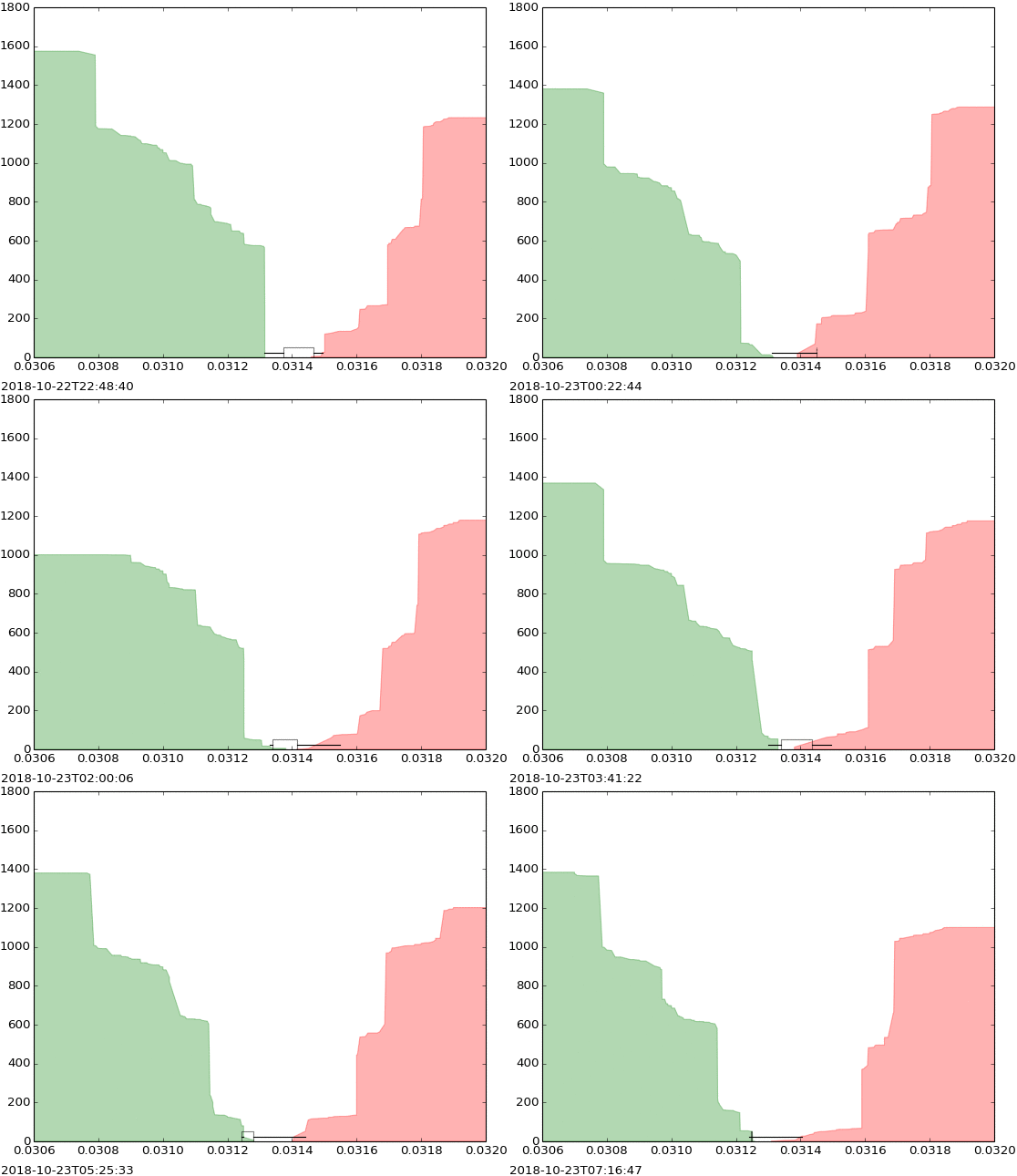
Bid-ask spread measures transaction costs and liquidity
Bid–ask spread
Bid-ask spread measures transaction costs and liquidity
The bid-ask spread is the difference between the asking price for selling (ask) and the bidding price for buying (bid) a security. This spread is a direct indicator of the cost of trading, as it represents the price difference that buyers and sellers must pay to execute trades. A wider spread typically indicates higher transaction costs and lower liquidity in the market.
Example
If a stock has a bid price of $50 and an ask price of $52, the bid-ask spread is $2. This spread reflects the cost of trading the stock, with buyers paying $2 more than sellers for each share traded.
Remember this
Understanding the bid-ask spread helps investors gauge the cost of trading and the liquidity of a market, influencing their investment decisions.
Text adapted from Wikipedia, licensed under CC BY-SA 4.0.
Related concepts
Prediction market
Why does betting on the future cost more to place than to take?
Greeks (finance)
Greeks measure sensitivity of option prices to underlying parameters
Supply and demand
Market-clearing price where quantity supplied equals quantity demanded
Triangular arbitrage
Ever noticed prices for the same item differ across stores? Why?
dollar-cost averaging achieves
Why not buy more shares when they're cheap and fewer when they're pricey?
Elasticity (economics)
Price elasticity of demand = -2
Educational content, not financial advice.
Swipe through 100 ML concepts daily
Open Pocket Polymath