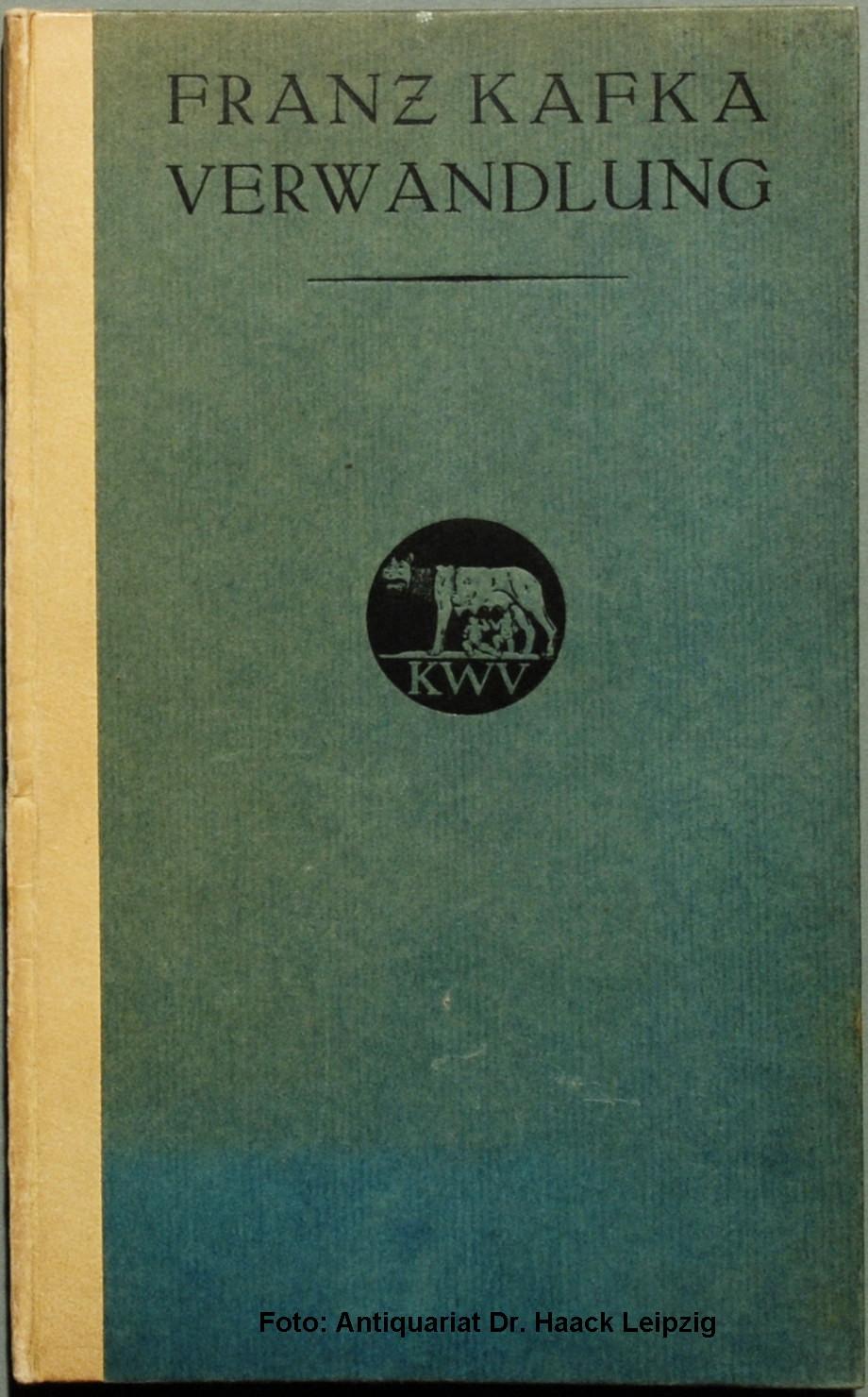
Kafka's novella "The Metamorphosis" features Gregor Samsa's transformation into an insect
The Metamorphosis
Kafka's novella "The Metamorphosis" features Gregor Samsa's transformation into an insect
"The Metamorphosis" is a novella by Franz Kafka that tells the story of Gregor Samsa, who wakes up transformed into a large insect. The novella explores themes of isolation, identity, and the human condition through Gregor's struggle to adapt to his new form.
In "The Metamorphosis," Gregor Samsa's transformation into an insect serves as a metaphor for alienation and the loss of human identity. The novella delves into the psychological and emotional impact of Gregor's metamorphosis on himself and his family.
The novella was first published in 1915 and is considered one of Kafka's most significant works. It has been widely analyzed and interpreted by literary critics, contributing to its enduring popularity and influence in literature.
Remember this
Understanding the metaphorical significance of Gregor Samsa's transformation helps readers grasp the deeper themes of alienation and identity loss in Kafka's work.
Text adapted from Wikipedia, licensed under CC BY-SA 4.0.
Related concepts
Crime and Punishment
Raskolnikov plans to kill an unscrupulous pawnbroker to liberate himself from poverty
Demons (Dostoevsky novel)
"Demons" was Dostoevsky's response to the rise of nihilism in 1860s Russia
Faust (paintings)
Nabil Kanso's Faust series depicts scenes based on Goethe's play
Metamorphoses
Ovid's Metamorphoses chronicles over 250 myths of transformation
Fyodor Dostoevsky
Dostoevsky's exploration of the 'Russian soul' through suffering and spiritual redemption
Dead Souls
Dead Souls satirizes 19th-century Russian bureaucracy
Swipe through 100 ML concepts daily
Open Pocket Polymath