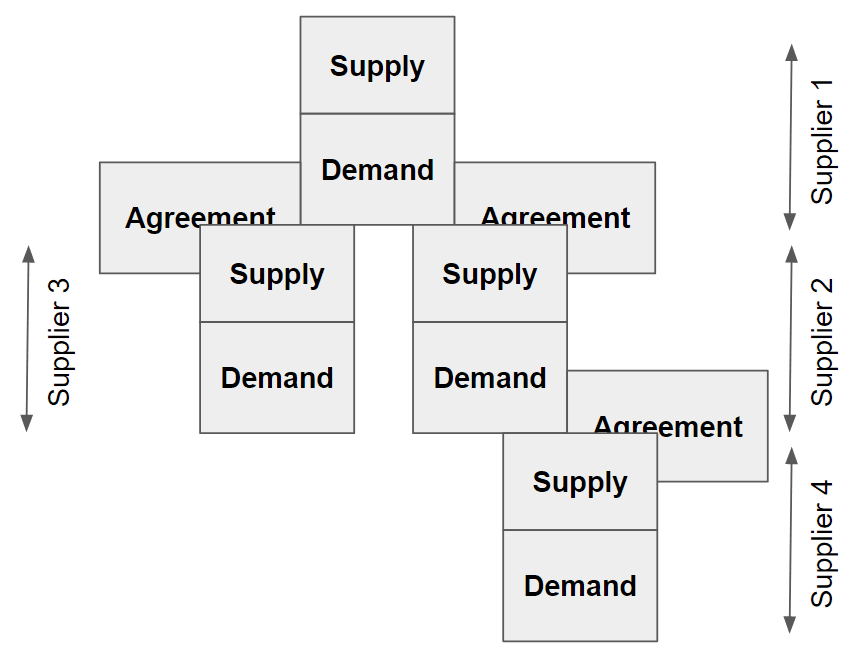
Ever wondered how databases handle massive data across the globe?
Image: FlippyFlink, CC BY-SA 4.0, via Wikimedia Commons
SQL vs NoSQL: SQL enforces schema and ACID, NoSQL offers flexibility and horizontal scaling
Ever wondered how databases handle massive data across the globe?
Imagine you're planning a worldwide concert tour, needing to sync ticket sales and show times across continents.
A distributed SQL database acts like a global coordinator, ensuring everyone sees the same concert details, even if they're in different countries. It's like having a universal clock that everyone follows.
Example
If one city sells out, the database instantly updates ticket availability worldwide.
Remember this
It's all about real-time, consistent data sharing across vast distances.
Text adapted from Wikipedia, licensed under CC BY-SA 4.0.
Related concepts
ACID
ACID guarantees data validity in transactions
Outline of databases
Ever wonder how your online bank keeps your money safe during transactions?
REST vs GraphQL: REST has fixed endpoints, GraphQL lets clients request specific fields
REST uses fixed endpoints; GraphQL allows clients to request specific fields
Hierarchical navigable small world
HNSW is an efficient ANN search algorithm
paged attention (vLLM) improves serving throughput
Paged attention (vLLM) improves serving throughput by reducing latency through non-contiguous KV-cache pages, enabling faster data retrieval
Hash table
Hash table lookup: O(1) average time complexity
Swipe through 100 ML concepts daily
Open Pocket Polymath