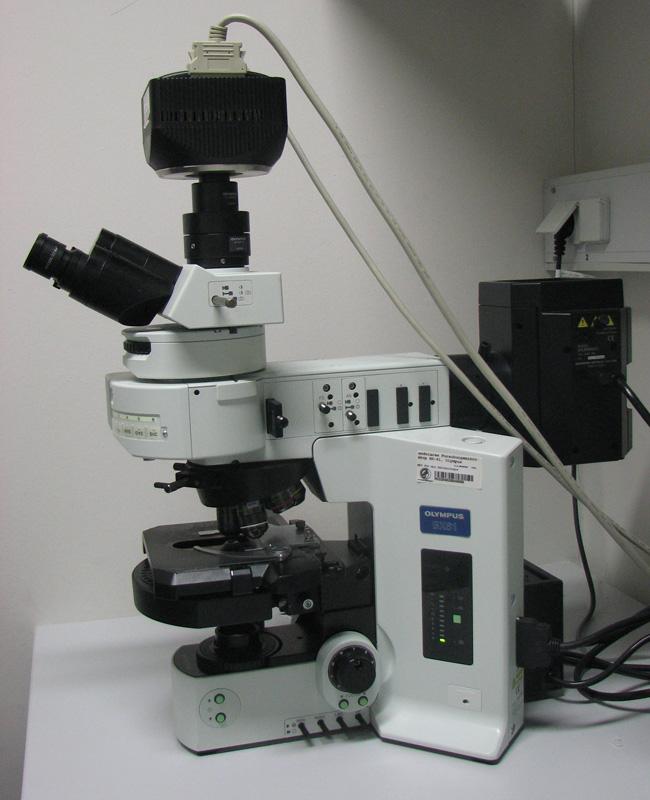
Can you train a machine like you do with a computer?
Image: Masur, CC BY-SA 3.0, via Wikimedia Commons
gradient accumulation simulates larger batch sizes without more memory
Can you train a machine like you do with a computer?
Imagine you're trying to teach a dog new tricks without buying expensive treats for every single reward.
Instead of rewarding after every tiny success, you wait until the dog learns a bunch of tricks before giving it a big reward. This way, you don't need to buy as many treats.
Example
You teach your dog to sit, stay, and roll over. After it learns all these tricks, you give it a big treat.
Remember this
By rewarding after several successes, you simulate a bigger reward without needing more treats.
Text adapted from Wikipedia, licensed under CC BY-SA 4.0.
Related concepts
batch size affects generalization: larger batches find sharper minima
Larger batch sizes lead to sharper minima, enhancing generalization by providing more accurate gradient estimates
LAMB optimizer does: layer-wise adaptive learning rates for large batch training
LAMB optimizer adjusts learning rates layer-wise for large batch training
gradient checkpointing trades: recomputes activations to save memory
Gradient checkpointing trades off computation time for memory savings by recomputing activations
Proximal gradient methods for learning
Why can't we always find the best path in a maze?
General-purpose computing on graphics processing units
Did you know your computer can do more than just compute numbers?
the compute-optimal training ratio is: roughly 20 tokens per parameter
How can we train AI efficiently without wasting resources?
Swipe through 100 ML concepts daily
Open Pocket Polymath