Write-ahead log (WAL) ensures crash recovery by logging changes before applying them
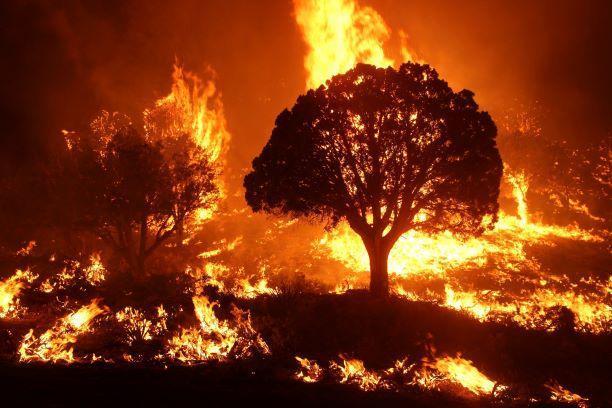
Image: Mike McMillan/USFS, Public domain, via Wikimedia Commons
Design of the FAT file system
Write-ahead log (WAL) ensures crash recovery by logging changes before applying them
The WAL mechanism records changes before they're applied to the file system. This preemptive logging helps in maintaining data integrity during unexpected crashes. By having a log of pending changes, the system can recover to a consistent state after a crash.
Example
If a crash occurs while writing to a file, the WAL records the intended changes. Upon recovery, the system can replay the logged changes to restore the file to its intended state.
Remember this
This process is crucial for data integrity and system reliability, ensuring that no data is lost or corrupted during unexpected failures.
Text adapted from Wikipedia, licensed under CC BY-SA 4.0.
Related concepts
log-probabilities are used instead of probabilities: avoids numerical underflow
Why can't we just add up tiny chances over time?
LSM trees optimize: write-heavy workloads by buffering writes in memory
Ever wondered how your favorite social media app handles millions of new posts every minute?
Flashbulb memory
Flashbulb memories are vivid but not always accurate
List of gay characters in animation
How can you add numbers safely in a busy computer?
load balancing loss is needed in MoE
Can one expert handle all tasks perfectly?
gradient checkpointing trades: recomputes activations to save memory
Gradient checkpointing trades off computation time for memory savings by recomputing activations
Swipe through 100 ML concepts daily
Open Pocket Polymath